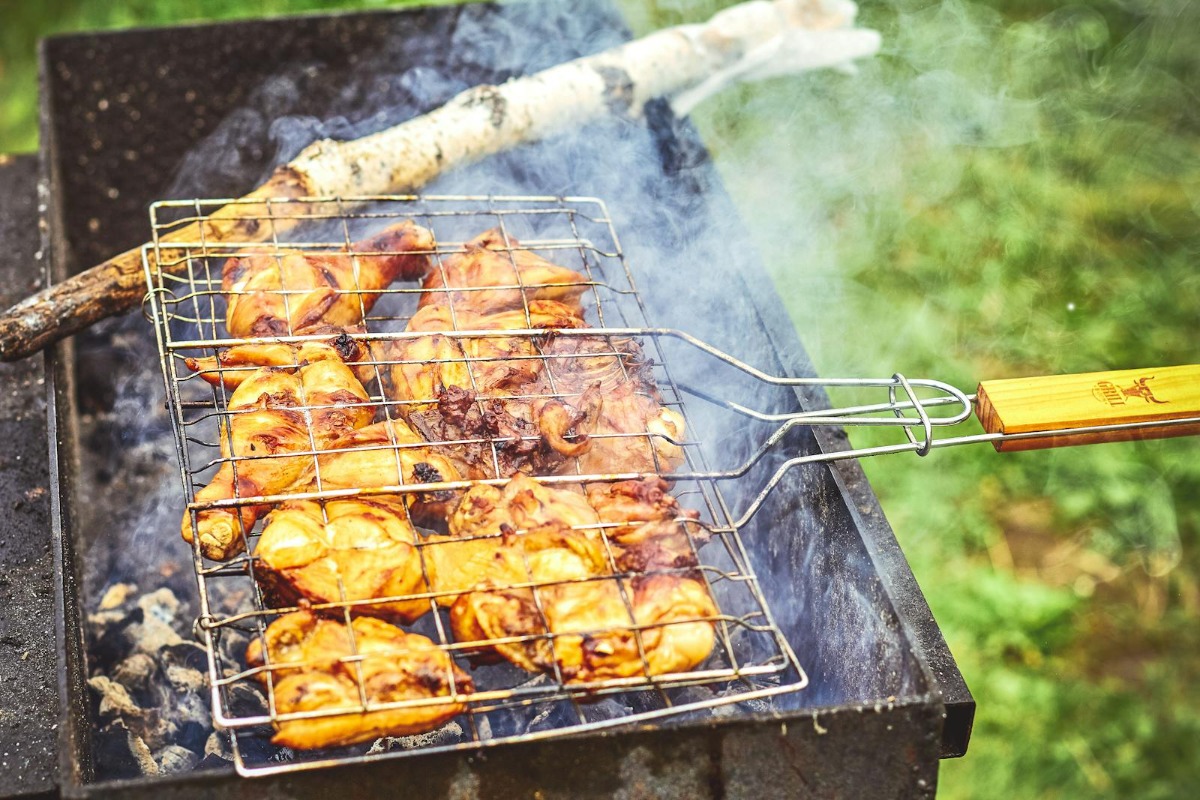
You pulled a brisket, rack of ribs, or pork shoulder off the smoker after hours of careful cooking — and the first bite tastes like an ashtray. Bitter, acrid, with a chemical tang that overpowers the meat. It’s one of the most frustrating BBQ problems, and it happens to everyone at least once.
The good news: bitter smoked meat is almost always caused by one of seven fixable mistakes. This guide covers every cause, how to fix it mid-cook if you catch it early, and how to prevent it permanently.
The Short Answer: Creosote
95% of the time, bitter smoked meat is caused by creosote — a thick, oily residue that forms when wood burns incompletely. Creosote tastes intensely bitter and medicinal. It coats your meat, your smoker walls, and your grill grates. Once it’s on the meat, it’s very hard to remove.
Creosote forms when smoke is thick, white, and billowing — a sign that wood is smoldering (burning without enough oxygen) instead of combusting cleanly. Clean smoke is thin, almost invisible, and has a faint blue tint. That’s the smoke that produces great BBQ flavor. White smoke produces bitter creosote.
Every cause below ultimately connects back to creosote formation. Fix the creosote problem and you fix the bitter flavor.
Cause #1: Too Much Wood
The most common beginner mistake. New smokers think more wood = more flavor. In reality, more wood = more chance of smoldering = more creosote = bitter meat. Smoke flavor comes from quality of combustion, not quantity of wood.
How much wood is right?
- Charcoal smoker: 2–3 fist-sized chunks for a 4–6 hour cook
- Offset smoker: A few splits (not a full firebox) — feed small amounts frequently
- Pellet grill: The pellet hopper handles this automatically, so over-smoking is less common
The fix: Cut your wood amount in half. Seriously. Most people use 2–3x more wood than they need. If you can’t see smoke, that’s probably the right amount — thin blue smoke is nearly invisible.
Cause #2: White Smoke Instead of Blue Smoke
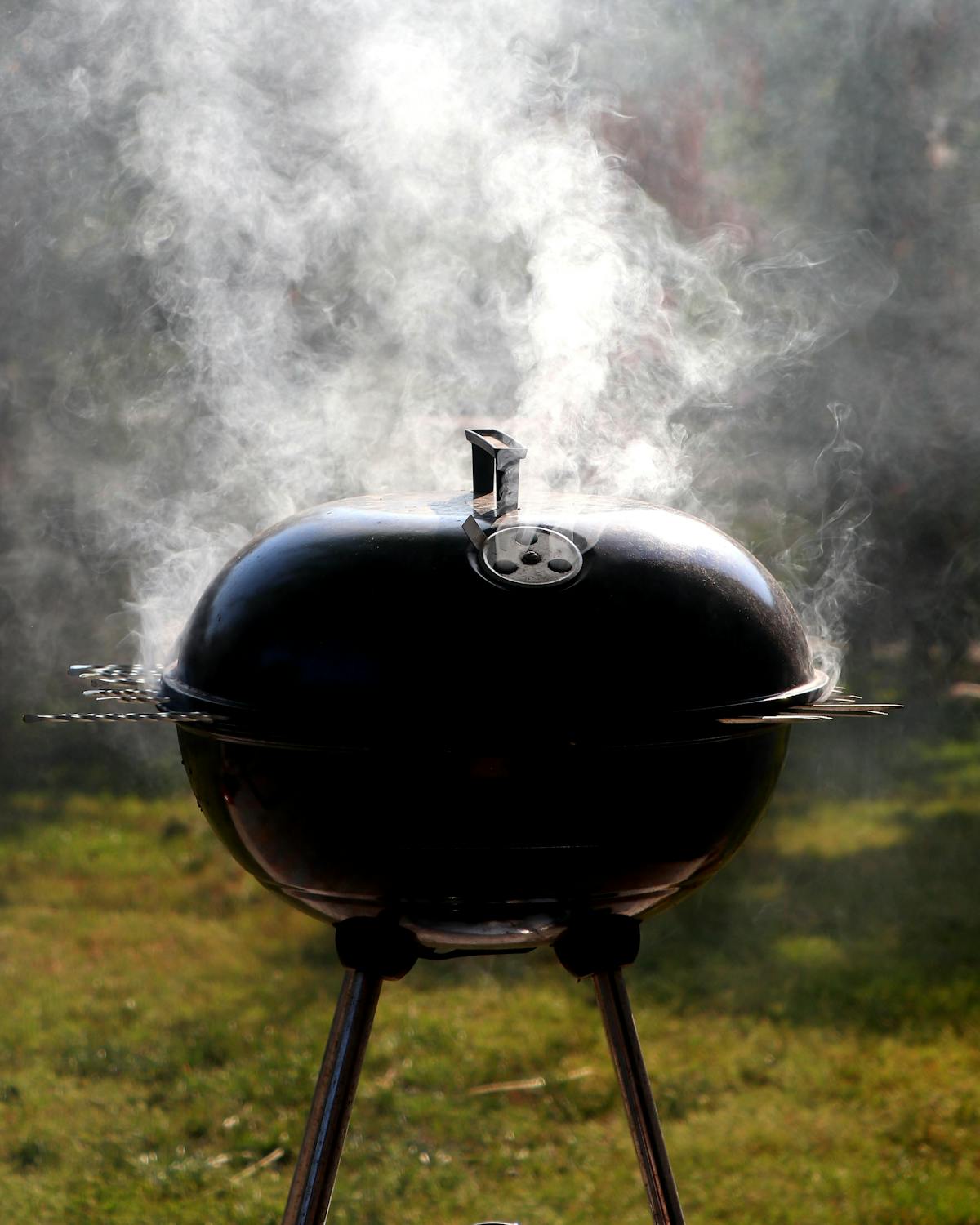
This is the visual indicator that something is wrong. There are two types of smoke:
- Thin blue smoke (good): Nearly invisible, faintly blue-tinted. This means wood is combusting cleanly and producing the compounds that taste like BBQ
- Thick white smoke (bad): Billowing, opaque, and smells acrid. This means wood is smoldering (not enough oxygen or heat) and producing creosote, soot, and bitter compounds
The fix: If you see thick white smoke pouring from your smoker, open your vents wider to increase airflow. The wood needs more oxygen to burn cleanly. If the smoke doesn’t clear up within 15–20 minutes, you may have too much wood or the fire temperature is too low.
Cause #3: Dirty Smoker (Creosote Buildup)
Over time, creosote and soot build up on the walls, lid, and grates of your smoker. This old creosote flakes off during cooks and falls onto your meat — or vaporizes and re-deposits as bitter smoke.
The fix: Clean your smoker between cooks. You don’t need to scrub it spotless (a thin layer of seasoning is fine), but scrape off any thick, flaking black residue from the lid interior, walls, and grates. A paint scraper works well for the lid.
How often: Quick scrape every 3–4 cooks. Deep clean (soap and water on grates, scrape everything) once a season.
Cause #4: Wrong Wood Type or Too-Strong Wood
Some woods are inherently more bitter-prone than others. Using too-strong wood for delicate meat is a recipe for bitterness:
- Mesquite: The strongest and most bitter-prone BBQ wood. Should only be used for beef and only in small amounts or blends. Pure mesquite on chicken, pork, or long cooks almost guarantees bitterness
- Hickory: Bold but manageable. Can turn bitter on very long cooks (12+ hours of heavy hickory). Best blended with milder woods
- Green (unseasoned) wood: Wood that hasn’t been dried/seasoned produces excessive smoke and creosote. Always use seasoned, dry wood
For a complete breakdown of wood intensity and which meats pair with which wood, see our hickory vs mesquite comparison and complete wood pairing guide.
The fix: Switch to milder woods like apple, cherry, or pecan for poultry and pork. Reserve hickory and mesquite for beef only, and always blend mesquite (never 100%).
Cause #5: Not Enough Airflow
Fire needs oxygen to burn cleanly. If your vents are closed too much, the fire smolders instead of combusting — producing white smoke and creosote. This is especially common with kamado-style smokers and bullet smokers where the vents are small.
The fix: Open your intake (bottom) vent wider. For most cooks at 225–275°F, the bottom vent should be at least 25–50% open, and the exhaust (top) vent should be fully open or nearly so. The exhaust vent should never be fully closed during a cook — smoke needs somewhere to go.
Rule of thumb: Control temperature primarily with the intake vent. Keep the exhaust vent open. Stale smoke trapped in the smoker = bitter meat.
Cause #6: Smoking Too Long
Meat absorbs smoke most actively during the first 4–5 hours of cooking, while the surface is still cool and moist. After the meat surface hits about 140°F, it stops absorbing much additional smoke. Adding wood beyond this point mostly just creates creosote risk without adding flavor.
The fix: Front-load your smoke. Add wood chunks during the first 3–5 hours only. After that, let the remaining charcoal or pellets provide heat without adding fresh smoking wood. For a 14-hour brisket, stop adding wood by hour 5. For a 4-hour rack of ribs, add wood only at the start.
This is one of the biggest revelations for beginners — you don’t need smoke the entire cook. Read more in our brisket guide and beginner’s smoking guide.
Cause #7: Wet or Green Wood
Soaking wood chips in water (a commonly repeated bad tip) or using unseasoned “green” wood causes the wood to steam before it burns. When it finally ignites, it smolders aggressively and produces thick white smoke loaded with creosote.
The fix: Never soak your wood. Use dry, seasoned wood chunks (6+ months air-dried). If you buy wood from a BBQ supplier, it’s already properly seasoned. Avoid lumber scraps, construction wood, or any wood treated with chemicals.
How to Fix Bitter Meat Mid-Cook
If you catch the bitterness early (first taste of a test slice is off), you can sometimes save the cook:
- Stop adding wood immediately — let the fire burn down to clean coals or pellets only
- Open all vents fully for 15–20 minutes to flush stale smoke out of the smoker
- Remove any large, smoldering wood chunks that are billowing white smoke (use tongs)
- Wrap the meat in foil or butcher paper for the remainder of the cook to shield it from further smoke
- Continue cooking to target temp — the wrapping will stop additional creosote from depositing
If the meat is already heavily creosote-coated (black, oily residue on the surface), it’s unfortunately difficult to save. The bitterness has penetrated the bark. You can try trimming the outer bark away and serving the interior meat, but it won’t be your best work.
The Prevention Checklist
Run through this checklist before every smoke to prevent bitter meat:
- ✅ Using dry, seasoned wood chunks (not green, not soaked)
- ✅ Using 2–3 fist-sized chunks maximum per 4–6 hour cook
- ✅ Matching wood intensity to meat (mild wood for poultry, stronger for beef)
- ✅ Smoker is clean — no thick creosote buildup on lid or walls
- ✅ Exhaust vent is open (never fully closed during a cook)
- ✅ Watching for thin blue smoke (good) vs thick white smoke (bad)
- ✅ Front-loading smoke in the first 3–5 hours only
- ✅ Fire is burning hot and clean, not smoldering
FAQ: Bitter Smoked Meat
What does creosote taste like?
Bitter, acrid, and slightly chemical — like licking an ashtray. It leaves a lingering unpleasant aftertaste in your mouth. If your smoked meat tastes “off” or medicinal, creosote is almost certainly the cause.
Can you over-smoke meat?
Yes, absolutely. Over-smoking is the #1 cause of bitter BBQ. The solution is using less wood, front-loading smoke in the first few hours only, and ensuring your fire burns clean (thin blue smoke, not white).
Is the black stuff on my smoker lid bad?
If it’s a thin, smooth coating, it’s seasoning (fine). If it’s thick, flaky, and greasy, it’s creosote buildup that can flake onto your food. Scrape off the thick stuff before your next cook.
Does wrapping meat in foil prevent bitterness?
Yes — wrapping shields the meat from additional smoke. Many pitmasters wrap brisket or pork shoulder partway through the cook (the “Texas crutch”) both to push through the temperature stall and to prevent over-smoking. Butcher paper is preferable to foil because it breathes slightly, preserving bark while still blocking smoke. See our brisket guide for wrapping technique.
Why does mesquite taste so bitter?
Mesquite has the highest tannin content of any common BBQ wood. When it smolders (burns poorly), those tannins create intensely bitter, medicinal compounds. Using less mesquite, burning it hotter, and blending it with milder woods like post oak or hickory eliminates the bitterness. See our full mesquite guide.
Should I soak wood chips before smoking?
No. Soaking wood creates steam (not smoke) and delays combustion, causing the wood to smolder and produce creosote. Use dry wood chunks every time. This is one of the most repeated BBQ myths.
Can pellet grills produce bitter smoke?
It’s less common on pellet grills because the auger feeds pellets at a controlled rate. But it can happen if the fire pot is dirty (creosote buildup in the burn pot), the exhaust is blocked, or you use mesquite pellets on a very long cook. Clean your fire pot regularly.
Fix the Smoke, Fix the Flavor
Bitter smoked meat comes down to one thing: bad smoke. Fix the quality of your smoke (thin and blue, not thick and white), use less wood, keep your smoker clean, and match wood intensity to your meat. Do those four things and bitterness becomes a problem of the past.
Keep improving your smoke game:
- Smoking meat for beginners — the fundamentals
- Hickory vs mesquite — wood intensity guide
- Best wood for smoking — complete wood pairing chart
- How to smoke a brisket — wrapping technique included
- How to smoke pork shoulder
- How to smoke ribs
- How to smoke a whole chicken
- How to smoke a turkey
- Best smokers for beginners
- Best charcoal smokers
- Best wireless meat thermometers