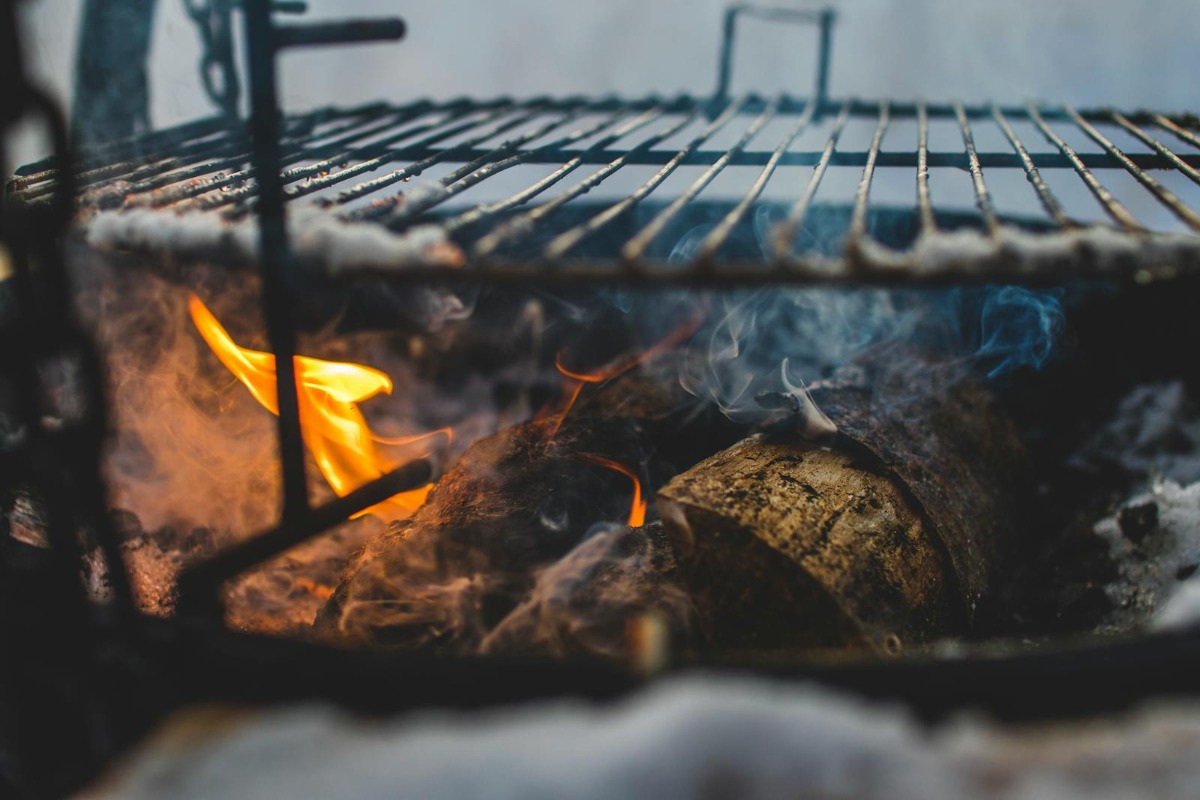
Hickory and mesquite are the two most famous BBQ smoking woods in America — and also the most frequently misused. Throw the wrong wood on the wrong meat and you’ll end up with food that tastes like a campfire explosion. Get it right and you’ll produce BBQ that makes dinner guests text you the next morning.
This complete guide breaks down hickory vs mesquite head-to-head: flavor profiles, intensity, burn characteristics, best meat pairings, and when to use each (or both together). By the end, you’ll know exactly which wood to reach for with every cook.
Hickory vs Mesquite: Quick Comparison
| Factor | Hickory | Mesquite |
|---|---|---|
| Intensity | Strong | Very strong |
| Flavor | Bold, smoky, slightly sweet | Earthy, bold, pungent |
| Burn rate | Medium | Fast (hot burn) |
| Best for | Pork, beef, ribs, bacon | Beef brisket, steak, game |
| Worst for | Delicate fish, poultry (overwhelming) | Chicken, turkey, fish (ruins them) |
| Region | Southern & Midwest BBQ classic | Texas & Southwest BBQ staple |
| Smoke color | Medium-blue | Dark, heavy |
Hickory: The All-American BBQ Wood
Hickory is what most Americans think of when they hear “BBQ smoke.” It’s the dominant wood in Southern, Midwestern, and Kansas City-style BBQ — the signature flavor behind classic pulled pork, ribs, and hickory-smoked bacon.
Hickory Flavor Profile
- Bold but balanced: Strong smoke flavor that doesn’t overwhelm
- Slightly sweet: Natural caramel undertones from sugar in the wood
- Bacon-like: The most “smoky” flavor most people know
- Deep mahogany color: Creates beautiful dark bark on meat
What to Smoke With Hickory
- Pork shoulder / pulled pork: Classic pairing — see our pulled pork guide
- Ribs: Hickory + apple blend is the Memphis-style standard — see our rib guide
- Beef brisket: Works great, though Texas purists prefer post oak — see our brisket guide and wood for brisket
- Bacon and ham: The traditional curing wood
- Beef short ribs, chuck roast: Bold flavor holds up to rich beef
When NOT to Use Hickory
- Whole chicken or turkey: Can overwhelm delicate poultry. Use sparingly or blend with apple — see our smoked chicken guide
- Fish: Way too strong. Use alder or apple instead
- Long overnight cooks: Hickory builds up. 8+ hours of pure hickory can turn meat bitter
Mesquite: The Texas Heavy-Hitter
Mesquite is the Texan’s answer to BBQ smoke. It’s the wood that defines South Texas beef culture — and it’s also the most misunderstood wood in American BBQ. Used correctly, mesquite creates unforgettable deep-flavored beef. Used incorrectly, it turns meat into an acrid, medicinal mess.
Mesquite Flavor Profile
- Intensely bold: The strongest smoke flavor of any common BBQ wood
- Earthy and pungent: Deep, almost medicinal when used heavily
- Hot and fast burn: Mesquite burns hotter than most woods — watch your temperature
- Distinctive aroma: You’ll smell mesquite from three blocks away
What to Smoke With Mesquite
- Beef brisket (Texas-style): The classic pairing — but often blended with post oak
- Steaks: Short cooks (30–60 min) where mesquite’s power doesn’t overdo it
- Beef short ribs: Holds up to the intense smoke
- Game meat: Venison, wild boar, and similar gamey proteins match mesquite’s boldness
- Fajitas and carne asada: Short, hot cooks where you want maximum flavor fast
When NOT to Use Mesquite
- Chicken, turkey, any poultry: Mesquite will completely destroy the delicate flavor of poultry — full stop
- Pork (most cuts): Too strong. The subtle sweetness of pork gets obliterated
- Fish or seafood: Absolutely not. You’ll ruin it
- Long low-and-slow cooks (10+ hours): Mesquite stacks up and becomes medicinal. Use only in the first few hours, then switch woods
The cardinal rule: Mesquite is for beef and short cooks. If you’re not smoking beef, don’t reach for mesquite.
Hickory vs Mesquite: Head-to-Head by Meat
Which wood wins for the meat you’re actually smoking? Here’s the head-to-head breakdown for the most popular BBQ cuts.
Brisket 🏆 Tie (Depends on Style)
Hickory: Produces deep mahogany bark with bold, balanced smoke. Works great for Kansas City-style brisket or anyone who likes strong smoke without the mesquite bite.
Mesquite: The Texas standard — but almost always blended with post oak (not used pure). Pure mesquite on a 14-hour brisket is usually too much. A 25% mesquite / 75% post oak blend delivers authentic Texas flavor.
Winner: Depends on your regional preference. Go hickory for approachable bold flavor, mesquite (blended) for authentic Texas.
Pulled Pork 🏆 Hickory Wins
Hickory: The classic pairing. Pork shoulder spends 12–16 hours absorbing smoke — hickory’s bold-but-balanced profile holds up beautifully over the long cook. Apple and cherry blend in perfectly.
Mesquite: Don’t do it. The subtle sweetness of pork gets completely overwhelmed. Even a small amount of mesquite on an 8-hour pork shoulder turns it bitter and medicinal.
Winner: Hickory, no contest.
Ribs 🏆 Hickory Wins
Hickory: The go-to for pork ribs. 4–6 hours of hickory smoke creates the classic Southern/Midwestern rib flavor. Blend with apple or cherry for a perfect Memphis-style rib.
Mesquite: Too strong for pork ribs. The bark turns acrid. Skip it.
Winner: Hickory.
Beef Steaks 🏆 Mesquite Wins
Hickory: Too mild for short cooks. You won’t get enough flavor penetration on a 30-minute ribeye.
Mesquite: Made for steaks. The short cook time means mesquite’s power hits the meat without overstaying its welcome. Authentic Texas steakhouse flavor.
Winner: Mesquite.
Whole Chicken / Turkey 🏆 Neither (Use Apple/Cherry)
Hickory: Too strong for chicken. Use sparingly (like 20% blend) or go lighter wood like apple or cherry. See our smoked chicken guide.
Mesquite: Absolutely not. Will ruin your bird. No exceptions.
Winner: Neither. Use apple, cherry, or pecan for poultry.
Beef Short Ribs 🏆 Mesquite (or Blend)
Hickory: Perfectly fine. Rich beef short ribs handle hickory well.
Mesquite: Exceptional. The intense beef flavor matches mesquite’s punch. Dino ribs with mesquite smoke are unbeatable.
Winner: Mesquite (for Texas-style) or hickory/mesquite blend.
Bacon / Ham 🏆 Hickory Wins
Hickory: The traditional wood for curing bacon and ham. “Hickory-smoked bacon” is a flavor everyone knows.
Mesquite: Never used for bacon. The flavor is wrong for cured pork.
Winner: Hickory, the only acceptable answer.
Can You Blend Hickory and Mesquite?
Absolutely — and it’s often the smartest move. A hickory/mesquite blend gives you the balanced depth of hickory with a touch of the bold earthiness of mesquite. Perfect for beef cooks where you want Texas flair without full mesquite intensity.
Recommended blends:
- 75% hickory / 25% mesquite: Great for brisket when you want a hint of Texas without overdoing it
- 50/50 hickory + mesquite: For bold beef cooks — short ribs, chuck roast, beef back ribs
- 30% mesquite / 70% oak or post oak: The authentic Texas brisket blend
- Avoid 100% mesquite on any cook longer than 2–3 hours
For a full breakdown of wood blends, see our complete guide to smoking woods.
Pro Tips for Using Hickory or Mesquite
Less Is More (Especially With Mesquite)
New smokers universally over-smoke their food. A couple of fist-sized chunks of wood per 4–5 hours is plenty for most cooks. If you can taste “smoke” as its own distinct flavor overpowering the meat, you used too much wood. This mistake is 10x worse with mesquite than hickory.
Use Chunks, Not Chips
Wood chips burn fast and produce quick bursts of smoke. Wood chunks (fist-sized) burn slowly over 1–2 hours, producing that steady blue smoke you want. On pellet grills, you’re stuck with pellets — but on charcoal or offset smokers, chunks are king.
Soak or Don’t Soak?
Ignore the advice to soak wood in water. Wet wood produces steam before it actually starts smoking — which means you waste the first 30 minutes and then get a surge of smoke all at once. Use dry wood chunks. Pitmasters do not soak.
Good Smoke Is Thin and Blue, Not White
Billowing white smoke means the wood is smoldering inefficiently — this is where bitter creosote comes from, especially with mesquite. Thin blue smoke (almost invisible) is what you want. Hot, clean fire = clean smoke = great flavor.
Front-Load Smoke on Long Cooks
Meat absorbs smoke primarily in the first 4–5 hours of cooking. After the surface hits about 140°F, it stops taking on much more smoke flavor. So for a 14-hour brisket, add your wood early — and stop adding fresh wood after hour 5. This is especially important with mesquite.
FAQ: Hickory vs Mesquite
Which is stronger, hickory or mesquite?
Mesquite is significantly stronger. Hickory is bold but balanced — mesquite is intense and earthy. Rule of thumb: if hickory is a full-bodied red wine, mesquite is whiskey.
Why does mesquite taste bitter?
Usually because you used too much, used it on the wrong meat, or had a smoldering (white smoke) fire. Mesquite has high tannin content — when it burns poorly, those tannins create acrid, medicinal flavors. Use less mesquite, burn hotter, and stick to beef.
Can I use hickory on chicken?
Yes, but sparingly. A small chunk of hickory works for a 3–4 hour chicken smoke. Better: blend 20% hickory with 80% apple or cherry. Pure hickory on chicken is too strong for most palates. See our whole chicken guide for the full technique.
Is mesquite good for brisket?
Only blended with post oak or hickory. Pure mesquite on a 14-hour brisket is too much for almost everyone. The authentic Texas blend is about 25–30% mesquite with the rest post oak. See our best wood for smoking brisket.
Does hickory or mesquite give a stronger smoke ring?
Neither wood specifically creates a deeper smoke ring — smoke rings depend on nitrogen dioxide reacting with meat proteins, which happens with any wood or even charcoal. Both hickory and mesquite produce beautiful smoke rings when used correctly.
Can I use hickory and mesquite in a pellet grill?
Yes. Most pellet brands (Traeger, Pit Boss, Lumber Jack, Bear Mountain) sell hickory and mesquite pellets. They produce lighter smoke than chunks, so feel free to use pure mesquite pellets on beef without worrying about overdoing it as much as you would with chunks.
What’s a good “middle ground” wood?
Pecan is the answer. It’s in the hickory family (so it has that classic BBQ smoke profile) but milder and slightly sweeter. If hickory feels too strong and you’re not ready for mesquite, pecan is the perfect middle ground for almost any meat.
The Verdict: Which Wood Should You Buy?
If you can only buy one, get hickory. Hickory works on pork, beef, bacon, ribs, and pretty much anything but delicate fish. It’s the most versatile strong wood in American BBQ.
Buy mesquite second — only if you’re smoking beef brisket, steaks, short ribs, or other bold beef cuts. For everything else, mesquite is too aggressive and will ruin the meat.
Ideal BBQ wood starter kit:
- Hickory (your workhorse for pork, ribs, bacon, general BBQ)
- Apple or cherry (for poultry and blending)
- Post oak (Texas-style brisket)
- Mesquite (only for beef and short cooks)
Ready to put wood to fire? Start with these guides:
- Best wood for smoking brisket (complete wood comparison)
- Complete beginner’s guide to smoking meat
- How to smoke a brisket (perfect for hickory/mesquite)
- How to smoke pork shoulder (hickory’s home turf)
- How to smoke ribs (hickory + apple classic)
- How to smoke a whole chicken (skip the mesquite)
- Best smokers for beginners
- Best wireless meat thermometers
Stocking up? You can shop hickory wood chunks on Amazon or grab mesquite wood chunks — plus our recommended variety pack of BBQ pellets for pellet grill owners.