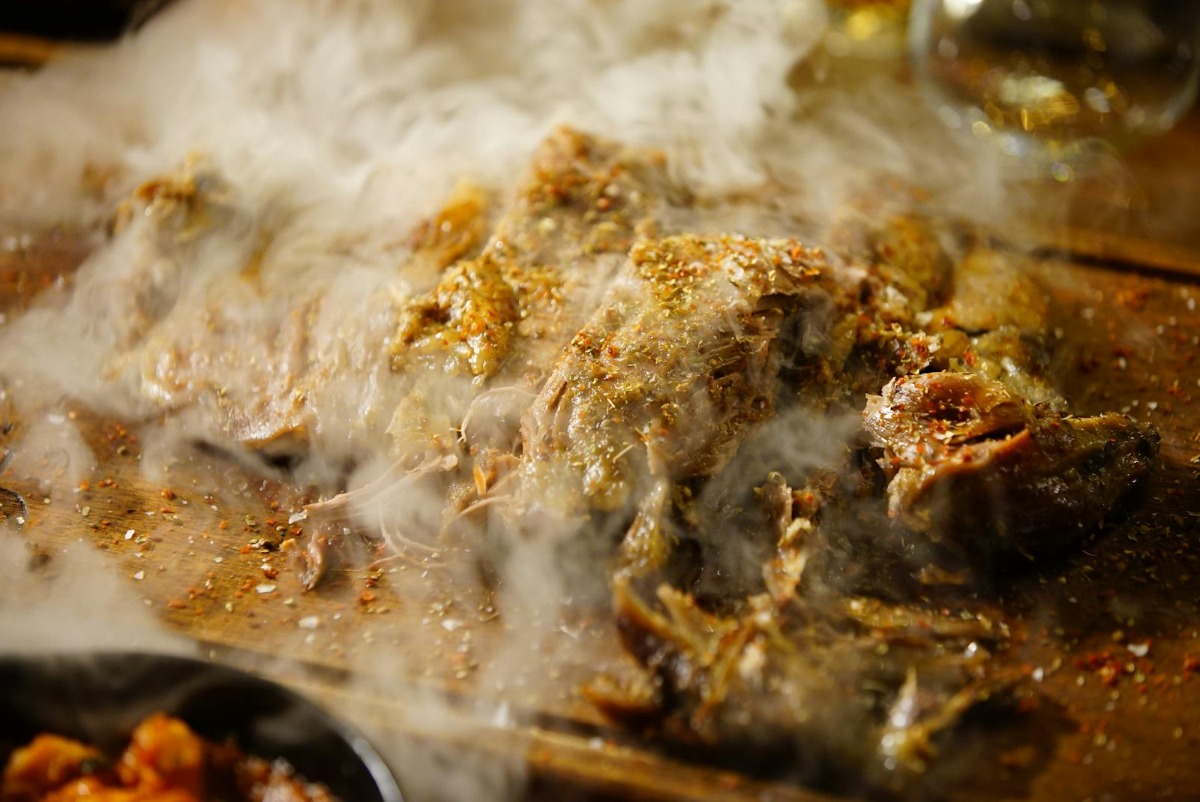
If you’re looking for the perfect first smoke, smoked pork shoulder is the answer. It’s cheap ($15–25 for 8–10 pounds), nearly impossible to ruin, and produces incredible pulled pork that feeds 12+ people. The high fat content makes pork shoulder the most forgiving cut you can put on a smoker — even your first attempt will turn out better than most BBQ joints.
This complete guide walks you through every step: choosing the right cut, prepping it, smoking it low and slow, pushing through the dreaded stall, and shredding it into juicy pulled pork perfection. Follow this and your weekend BBQ will be legendary.
Pork Shoulder vs Pork Butt: What’s the Difference?
Quick clarification: “pork shoulder,” “pork butt,” and “Boston butt” are often used interchangeably, but they’re actually slightly different cuts from the same area:
- Pork butt (Boston butt): The upper part of the shoulder. More marbling, better for pulled pork. This is what you want.
- Pork shoulder (picnic roast): The lower part of the shoulder. Leaner, has skin on it. Also smokes well but slightly less forgiving.
Confusingly, many grocery stores label both as “pork shoulder.” For pulled pork, ask the butcher specifically for a bone-in Boston butt. The shoulder bone helps retain moisture and structure during the long cook.
What You’ll Need
Equipment:
- A smoker (any type works — see our best smokers for beginners)
- A wireless meat thermometer with two probes — the most important accessory you can buy
- Aluminum foil OR pink butcher paper for wrapping
- Heat-resistant gloves and a meat shredding tool (or two forks)
- Insulated cooler for resting
- Disposable foil pan for catching drippings
Ingredients:
- 1 bone-in pork butt (8–10 pounds)
- 1/4 cup yellow mustard (binder — you won’t taste it)
- 1/2 cup BBQ rub of your choice (or make a simple rub: 2 tbsp salt, 2 tbsp brown sugar, 2 tbsp paprika, 1 tbsp pepper, 1 tbsp garlic powder, 1 tbsp onion powder, 1 tsp cayenne)
- Hickory or apple smoking wood chunks/pellets (see our complete wood guide)
- Optional: apple juice for spritzing
Time: Plan 12–16 hours total for an 8–10 lb pork butt at 225°F. The rule of thumb is 1.5–2 hours per pound — always start earlier than you think you need to.
Step 1: Choose the Right Pork Butt
The best pulled pork starts with the right cut at the butcher. Look for these qualities:
- Bone-in: Bone keeps the meat structurally intact and adds flavor. Boneless butts cook faster but produce drier results
- 8–10 pounds: The sweet spot for cook time and feeding 12–16 people (with leftovers)
- Good marbling: Look for white streaks of fat throughout the meat — that’s where the flavor and juiciness comes from
- Solid fat cap: A 1/4–1/2 inch fat layer on top renders down and bastes the meat
- Pink color, white fat: Avoid grey meat or yellow fat (signs of age)
Cost: Pork butts typically run $2–4 per pound, so an 8-pound butt costs $15–30. Compared to brisket ($60–100), pulled pork is the most cost-effective BBQ you can smoke.
Step 2: Trim and Season the Pork Butt
Trimming (do this cold, straight from fridge):
- Trim the fat cap to about 1/4 inch — thick fat won’t fully render and gets gummy
- Remove any loose flaps of meat that’ll dry to jerky
- Don’t obsess over trimming — unlike brisket, pork butt is forgiving here
Seasoning:
- Brush the entire butt with a thin coat of yellow mustard — this acts as a binder so the rub sticks (you won’t taste the mustard after cooking)
- Apply your rub generously on all sides — think “more than feels right.” Aim for full coverage with no bare spots
- Let the rubbed pork butt sit at room temperature for 30–60 minutes while your smoker preheats
Pro tip: For deeper flavor, season the pork butt the night before and let it rest uncovered in the fridge. The salt penetrates and the surface dries out for better bark formation.
Step 3: Preheat the Smoker to 225°F
225°F is the classic temperature for pork butt — it produces the best bark, the tenderest meat, and the deepest smoke flavor. Some pitmasters cook hotter (250–275°F) to save 3–4 hours, but for your first cook, stick with 225°F.
Wood selection for pork:
- Hickory: The classic choice. Bold, smoky, slightly sweet — made for pork
- Apple: Mild and sweet, great for those who prefer subtle smoke
- Cherry: Adds gorgeous mahogany color and a fruity sweetness
- Pecan: Nutty, milder than hickory — a versatile favorite
- Hickory + Apple blend: Best of both worlds — boldness with sweetness
Avoid mesquite for pork — it’s too aggressive and overwhelms pork’s subtle sweetness.
Step 4: Smoke Until Internal Temp Reaches 165°F
Place the pork butt on the smoker fat side up. The melting fat naturally bastes the meat as it renders. Insert your meat probe into the thickest part of the meat, avoiding the bone (which gives false readings).
Now leave it alone. The most important rule of smoking: don’t open the lid. Every peek costs you 15–20 minutes of cook time and lets precious smoke escape. Trust your wireless probe.
Optional spritzing: After the first 3 hours (when the bark has set), spritz the pork butt every 45–60 minutes with apple juice, apple cider vinegar, or water. This adds moisture and helps build a darker, more flavorful bark. But it’s optional — plenty of award-winning pulled pork is never spritzed.
Time to 165°F: Roughly 6–8 hours for an 8–10 pound butt. This is when the bark sets, the smoke ring forms, and the magic starts happening.
Step 5: Push Through the Stall (Wrap or Wait)
Around 150–170°F internal temp, your pork butt will hit “the stall” — the temperature stops climbing for hours. This freaks out every first-time smoker. Don’t panic, this is normal.
What’s happening: Surface moisture evaporating from the pork is cooling the meat (like sweat cooling your skin). The temperature can stall for 2–4 hours if you do nothing.
You have two options:
- Wrap (faster, juicier): Wrap the butt in heavy-duty aluminum foil with a splash of apple juice. This pushes through the stall in 1–2 hours and produces moister meat with softer bark
- Don’t wrap (slower, better bark): Let the smoker do its thing. The cook takes 3–4 hours longer but you get the famous dark, crispy “competition bark”
For your first pork butt, wrap in foil. Wrapping is faster, more forgiving, and the bark is still plenty good for pulled pork (which gets shredded anyway). Save the unwrapped technique for when you’re feeling adventurous.
Step 6: Cook to Probe Tender (200–205°F Internal)
Pork butt is done when it’s “probe tender” — your thermometer probe should slide in like warm butter with no resistance. The internal temp will be 200–205°F.
The bone test: If your butt is bone-in, gently wiggle the bone. If it pulls out cleanly with little resistance, the pork is done. If you have to tug, it needs more time.
Common temperature ranges:
- 195°F: Probably not done yet — keep cooking
- 200°F: Check probe tenderness; some butts are done here
- 203–205°F: Most pork butts hit probe tender here
- 210°F+: If still not tender, you started with a tough cut. Keep going carefully — it’ll get there
Time from wrap to done: roughly 3–5 more hours. Total cook time: 12–16 hours for an 8–10 lb butt.
Step 7: Rest the Pork Butt
This is the secret step most beginners skip — and it ruins their pulled pork. You must rest the pork butt before pulling.
Why resting matters: The muscle fibers contracted during the cook and forced juices toward the center. Resting lets those fibers relax and the juices redistribute. Pull it too soon and all the juice runs out, leaving you with dry pork.
How to rest:
- Pull the butt off the smoker (still wrapped)
- Let it cool on the counter for 15–20 minutes — internal temp drops slightly
- Place the wrapped butt in an empty insulated cooler. Add a couple of clean towels around it for insulation
- Rest for at least 1 hour, ideally 2–3 hours
Minimum rest: 45 minutes. Optimal rest: 2–3 hours. The cooler holds the pork at safe serving temps for 4+ hours, so you can time your dinner perfectly.
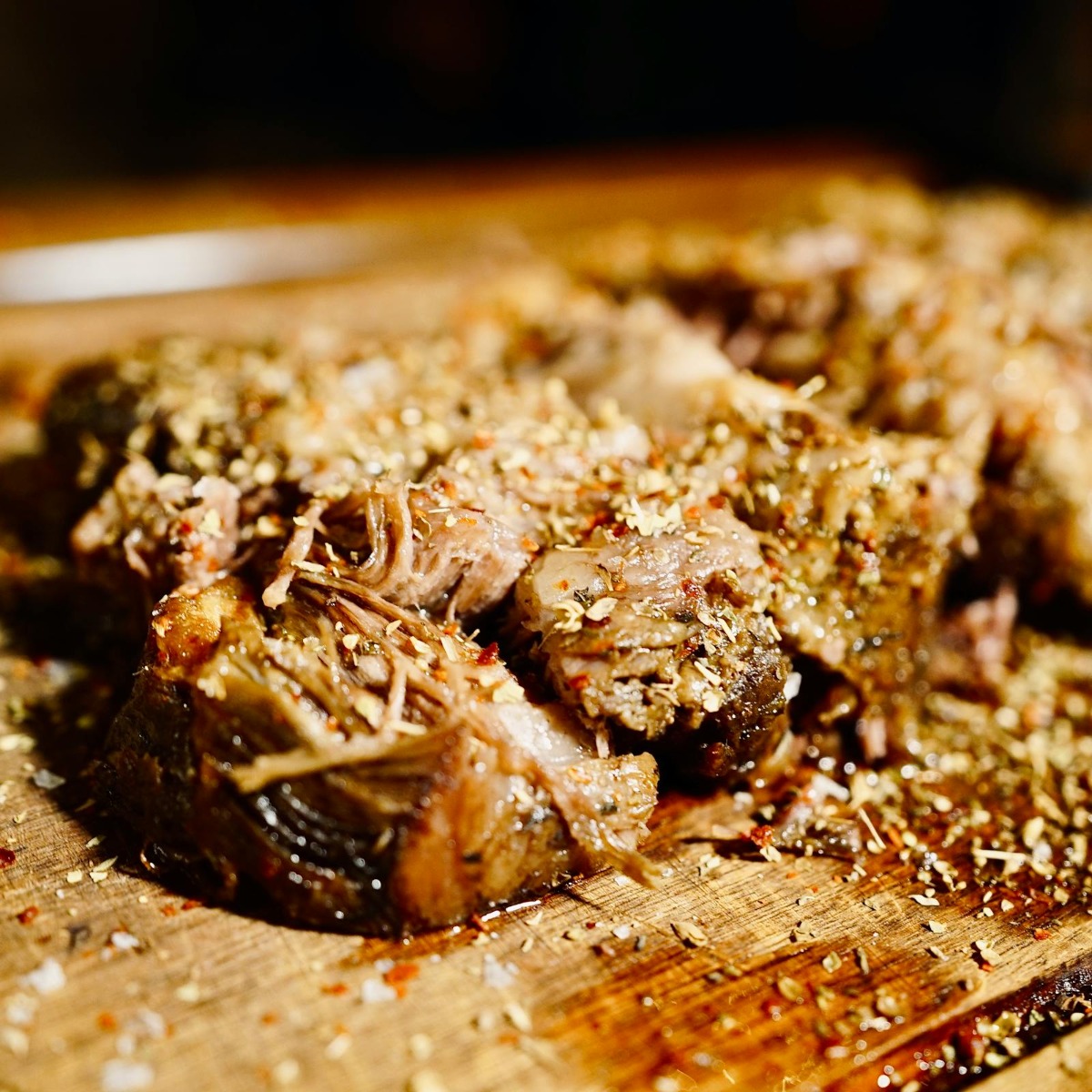
Step 8: Pull (Shred) the Pork
Now the fun part. After resting, place the pork butt on a large cutting board or in a foil pan to catch the juices.
- Put on heat-resistant gloves — the pork will still be 140°F+ inside
- Remove and discard the bone (it should slide out easily)
- Use meat shredding claws, two forks, or your gloved hands to pull the meat into shreds
- Discard any large chunks of unrendered fat or gristle
- Toss the shredded pork in any juices that collected in the foil/pan during the rest
- Optional: Sprinkle a little extra rub on the shredded pork for an extra flavor boost
Yield: An 8 lb raw pork butt typically yields 5–6 lbs of pulled pork (you lose 25–40% to fat rendering and bone weight). Plan 1/3 to 1/2 lb of pulled pork per person. Serve with buns, slaw, and a tangy sauce — our BBQ sauce guide covers classic Carolina vinegar and mustard styles that pair beautifully with pulled pork.
Pork Butt Cook Timeline at a Glance
| Stage | Time | Internal Temp | What to Do |
|---|---|---|---|
| Trim & season | 30 min | — | Trim fat to 1/4″, apply mustard + rub |
| Preheat smoker | 30–45 min | — | Stabilize at 225°F with hickory or apple wood |
| Smoke unwrapped | 6–8 hours | 40°F → 165°F | Don’t open the lid; spritz after hour 3 (optional) |
| Wrap in foil | 5 min | 165°F | Add splash of apple juice, wrap tight |
| Continue smoking | 3–5 hours | 165°F → 203°F | Push through the stall; cook to probe tender |
| Rest in cooler | 1–3 hours | 203°F → 145°F | Most important step — don’t skip |
| Pull & serve | 15 min | — | Remove bone, shred, toss in juices |
7 Common Pulled Pork Mistakes (and How to Avoid Them)
1. Pulling too early. Pulled pork needs to hit 200–205°F internal AND be probe tender. Stopping at 195°F gives you sliceable pork, not pull-apart pork.
2. Skipping the rest. The single biggest mistake. Cutting into a hot pork butt loses all the juice. Rest 45 minutes minimum, 2 hours ideally.
3. Cooking by time alone. Every pork butt is different. A “10-pound pork butt at 225°F” might take 12 hours or 18 hours. Cook to internal temp and probe tenderness, period.
4. Opening the smoker constantly. Every peek costs 15–20 minutes of cook time. Trust your wireless thermometer.
5. Buying boneless. Boneless pork butts cook faster but produce drier, less flavorful pulled pork. Always go bone-in.
6. Trimming too much fat. Pork butt needs that fat to stay juicy during the long cook. Trim the cap to 1/4 inch — don’t go aggressive like you would with brisket.
7. Not making enough. Pulled pork freezes beautifully and people always want seconds. An 8–10 lb butt feeds 12–16 people. Better to have leftovers than run out.
FAQ: Smoking Pork Shoulder for Pulled Pork
How long does it take to smoke an 8-pound pork butt?
Plan 12–16 hours of cook time at 225°F, plus 1–3 hours of rest. The rule of thumb is 1.5–2 hours per pound, but every pork butt is different. Always start earlier than you think you need to.
What temperature is pulled pork done?
Internal temperature of 200–205°F, but the real test is probe tenderness — your thermometer should slide in with no resistance. Some pork butts need to go to 210°F before they’re fully tender.
Should I wrap my pork butt?
For your first pulled pork, wrap in foil at 165°F. Wrapping pushes through the stall faster, traps moisture, and produces juicier meat. The bark will be slightly softer, but pulled pork gets shredded anyway. Skip the wrap for darker bark when you’re more experienced.
What’s the best wood for smoking pork shoulder?
Hickory is the classic Southern choice — bold and slightly sweet. Apple wood is the most popular alternative — milder and sweeter. A blend of hickory and apple gives you the best of both worlds. Avoid mesquite (too aggressive for pork).
Can I smoke pork shoulder faster?
Yes — cook at 275°F instead of 225°F. This shaves 3–5 hours off the total cook time and still produces great pulled pork. The bark won’t be as developed and you lose some smoke penetration, but it’s a great option when you’re short on time.
How much pulled pork per person?
Plan 1/3 to 1/2 pound of pulled pork per adult. An 8 lb raw pork butt yields about 5–6 lbs of pulled pork (after fat and bone), feeding 12–16 people generously.
Can I freeze leftover pulled pork?
Absolutely — pulled pork freezes beautifully for up to 3 months. Cool completely, portion into freezer bags with a splash of cooking juices, remove as much air as possible. To reheat: thaw in fridge overnight, then warm gently in a covered pan with a bit of broth or apple juice to keep it moist.
You’re Ready to Make Legendary Pulled Pork
That’s the entire process: pick a good bone-in pork butt, trim and season the night before, smoke at 225°F until 165°F internal, wrap and push through the stall to 203°F probe tender, rest in a cooler for 1–3 hours, then shred and serve.
Your first pulled pork might not be perfect — nobody’s is. But here’s the secret: pulled pork is so forgiving that even an “imperfect” first attempt will be incredible. The high fat content, long cook, and shredding step hide most beginner mistakes.
Before you start, make sure you have:
- The right smoker — see our best smokers for beginners
- The right wood — check our complete wood guide (hickory or apple work great for pork)
- A reliable wireless meat thermometer — the one accessory you can’t skip
New to smoking entirely? Start with our complete smoking meat for beginners guide for the fundamentals. Once you’ve nailed pulled pork, you’re ready to graduate to smoking ribs or even tackle the king of BBQ — our complete brisket guide.