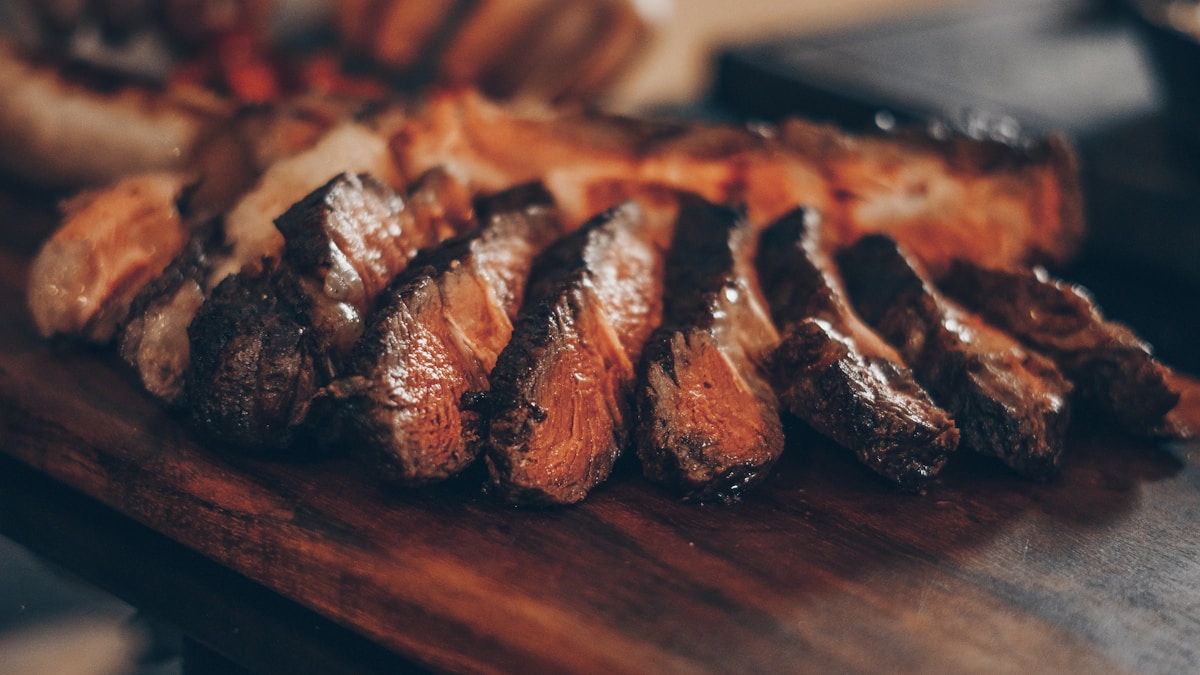
Choosing the right wood for smoking brisket can make the difference between a legendary cook and a forgettable one. Since brisket spends 10–16 hours absorbing smoke, wood selection has an outsized impact on your final flavor.
In this guide, we’ll break down every major smoking wood, explain how each one affects your brisket’s flavor profile, and help you choose the perfect wood or blend for your smoker setup.
Why Wood Choice Matters for Brisket
Brisket is a unique cut. It’s large, tough, and packed with connective tissue that needs hours of low-and-slow cooking to break down. During those long hours, the brisket is constantly absorbing smoke — far more than a quick-cooking cut like chicken or pork chops.
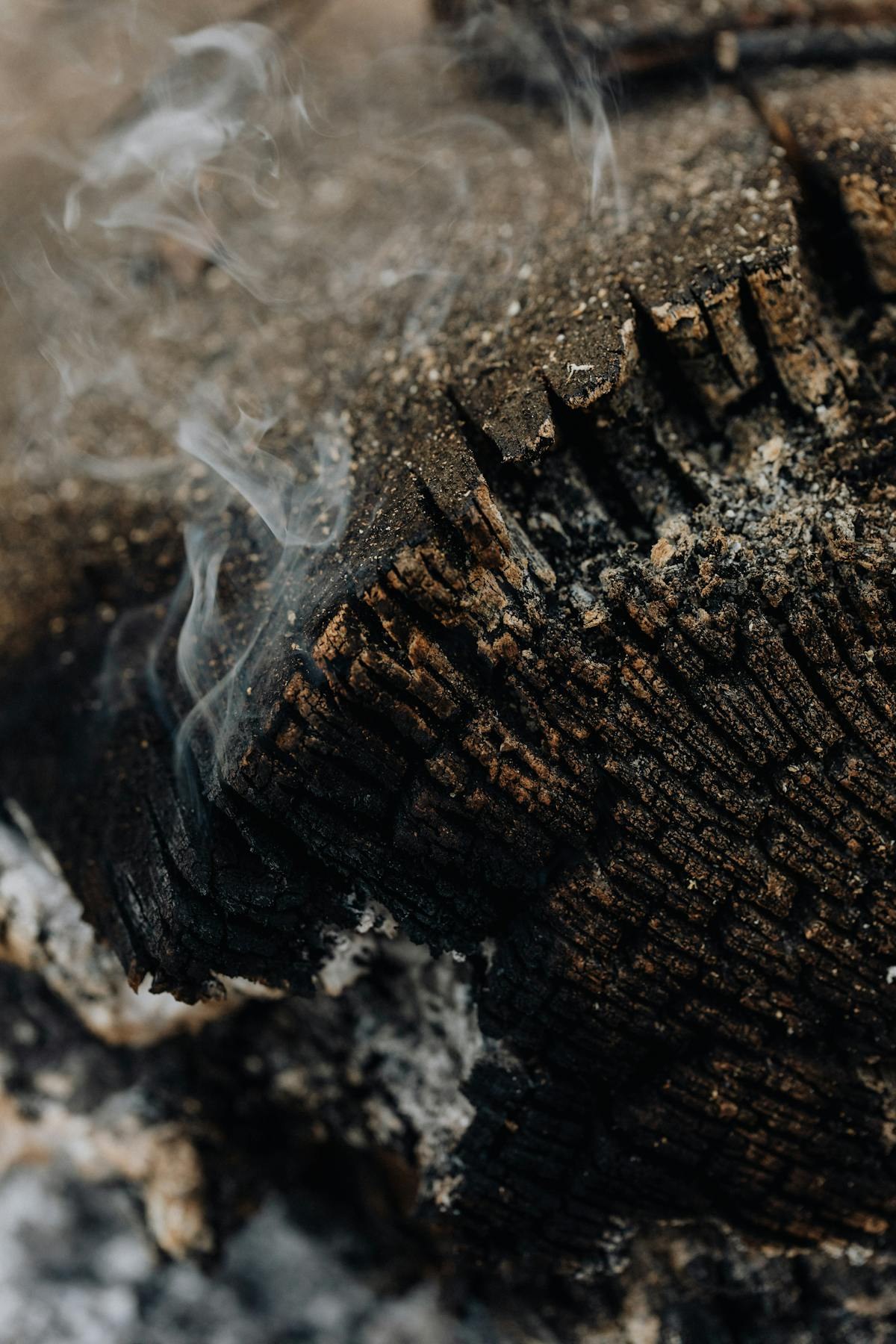
This extended smoke exposure means your wood choice directly shapes the flavor profile of the finished brisket and the quality of the bark. A clean-burning wood produces thin blue smoke that gently infuses flavor, while green wood can produce thick white smoke that leaves a bitter taste.
The key principle: brisket can handle bold smoke flavors better than most meats because of its size and fat content. The smoke should enhance the natural beef flavor, not cover it up.
The Best Woods for Smoking Brisket (Ranked)
1. Oak (Post Oak) — The Gold Standard
Flavor: Medium-strong, clean, slightly sweet | Intensity: 4/5
If you had to pick just one wood for brisket, oak is the answer. It’s the backbone of Central Texas barbecue. Post oak delivers a clean, medium-strong smoke that enhances beef without overwhelming it. It burns consistently and evenly — critical during a 12+ hour cook.
Post oak is the classic Texas choice. Red oak is bolder and slightly sweeter. White oak is more mellow. All three work beautifully for brisket. Oak is also the best base wood for blending with fruitwoods or pecan.
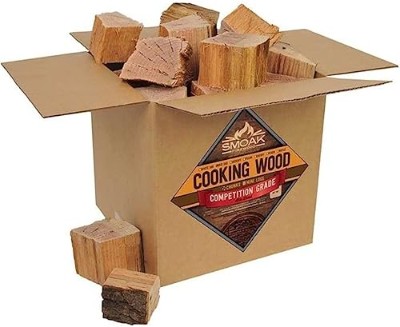
👉 Our pick: Smoak Firewood Competition Grade White Oak Chunks (25-30 lbs) — USDA certified, kiln-dried, competition grade. For a smaller amount, try Fire & Flavor Oak Chunks.
2. Hickory — Bold and Classic
Flavor: Strong, savory, bacon-like | Intensity: 5/5
Hickory delivers a robust, hearty smokiness with distinctive savory notes that many people associate with bacon. Excellent for brisket if you like a pronounced smoke flavor. The caveat: hickory is intense. Use too much and your brisket turns bitter. Many pitmasters use hickory as a secondary wood — blending it with oak or pecan.
Pro tip: If using hickory as primary wood, wrap your brisket earlier (around 165°F) to limit additional smoke absorption.
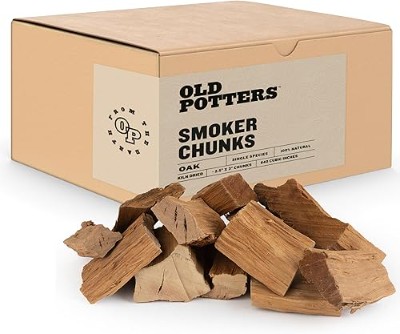
👉 Our pick: Old Potters Hickory Smoker Chunks (12-14 lbs) — Consistent 2×3 inch pieces for even burn. Great value.
3. Pecan — The Sweet Spot
Flavor: Sweet, nutty, mellow | Intensity: 3/5
Pecan is like hickory’s more refined cousin. It delivers a gentler, sweeter, nuttier smoke that enhances the natural umami in brisket. Burns cool and slow — ideal for long smoking sessions. A favorite among competition pitmasters. Best blended with oak (70/30 ratio) rather than used alone.
👉 Our pick: Old Potters Pecan Smoker Chunks — Perfect for blending with oak. Genuine nutty sweetness.
4. Mesquite — Intense and Authentic
Flavor: Very strong, earthy, bold | Intensity: 5+/5
The most intense smoking wood available. Unmistakably Southwestern. Traditional in West and South Texas where it’s the most abundant hardwood. However, mesquite burns extremely hot and fast, and its flavor can easily become bitter during a long cook. Use sparingly — blend with oak, or use only for the first 2–3 hours then switch to oak.
5. Cherry — Color and Sweetness
Flavor: Mild, slightly sweet, fruity | Intensity: 2/5
Cherry wood is a secret weapon among competition pitmasters. It produces a gorgeous deep mahogany color on smoked meat. Flavor-wise, cherry is mild with delicate sweetness and a hint of tartness. Too subtle alone for brisket, but blended with oak or hickory it adds fruity complexity and beautiful bark color.
👉 Our pick: Old Potters Cherry Smoker Chunks — Adds that prized mahogany color. Mix with oak for competition results.
6. Apple — Gentle and Fruity
Flavor: Mild, sweet, fruity | Intensity: 2/5
One of the mildest smoking woods. Produces a gentle, sweet smoke with fruity undertones. A top choice for poultry and pork, but generally too subtle for brisket on its own. Works well as a blending wood with oak or hickory to add pleasant sweetness.
7. Maple — Subtle and Sweet
Flavor: Very mild, sweet, earthy | Intensity: 2/5
A very mild, sweet smoke with earthy undertones. Rarely used as primary wood for brisket. Best as a blending partner with stronger woods. Interesting fact: when combined with mesquite, maple’s sweetness is amplified — creating a unique flavor combination.
Quick Reference: Smoking Wood Flavor Chart for Brisket
| Wood | Flavor | Intensity | Brisket Rating | Best Use |
|---|---|---|---|---|
| Oak (Post Oak) | Clean, slightly sweet | Medium-Strong | ⭐⭐⭐⭐⭐ | Primary wood |
| Hickory | Bold, bacon-like | Strong | ⭐⭐⭐⭐ | Primary or blend |
| Pecan | Sweet, nutty | Medium | ⭐⭐⭐⭐ | Blend with oak |
| Mesquite | Earthy, intense | Very Strong | ⭐⭐⭐ | Sparingly or blend |
| Cherry | Mild, fruity-sweet | Mild | ⭐⭐⭐ | Color + blend |
| Apple | Sweet, fruity | Mild | ⭐⭐ | Blend only |
| Maple | Sweet, earthy | Very Mild | ⭐⭐ | Blend only |
Want a printable version of this chart? Grab our Complete Smoking Wood Pairing Chart — a beautiful printable PDF that covers every wood-to-meat pairing, including brisket, ribs, pork, chicken, and more. Hang it next to your smoker and never second-guess your wood choice again.
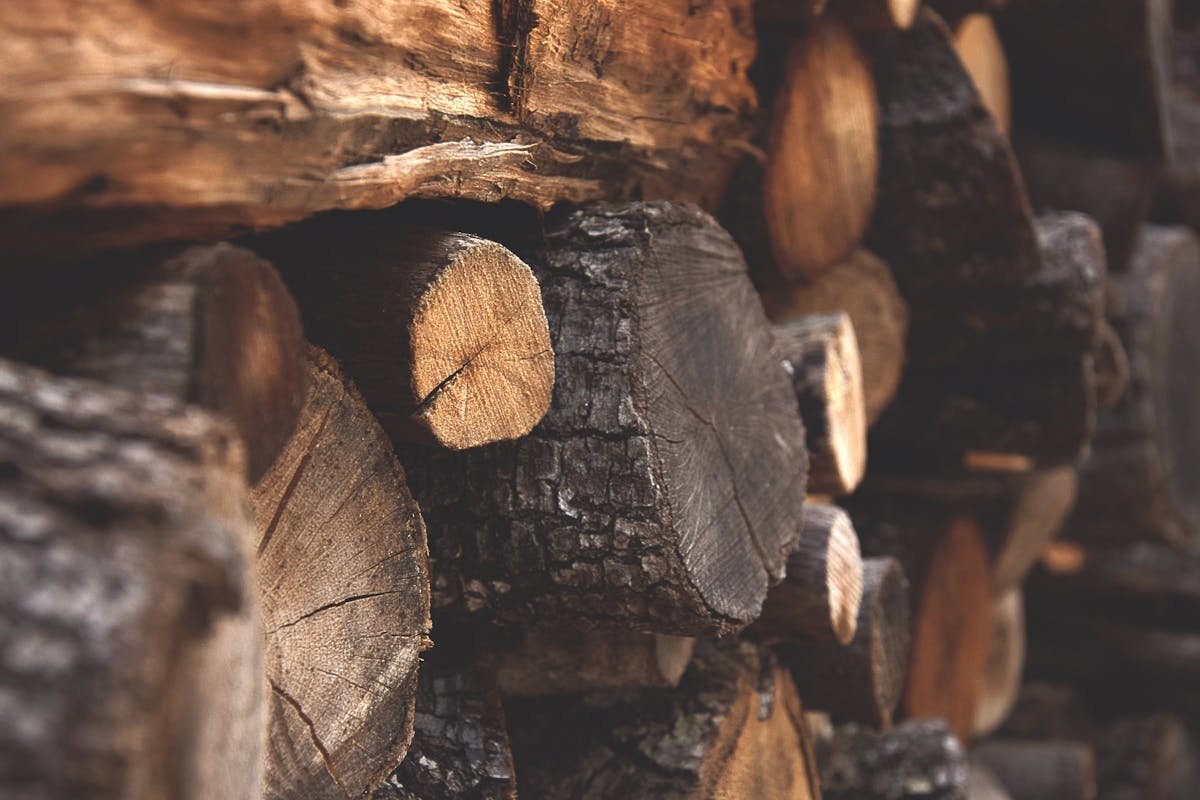
Best Wood Combinations for Brisket
Many experienced pitmasters don’t use a single wood — they blend two or three to create a custom flavor profile. Here are some proven combinations:
Classic Texas Blend
Post oak (80%) + hickory (20%)
The workhorse combo. Oak provides the consistent, clean base while a small amount of hickory adds depth and that signature smoky punch. This is what many award-winning Texas BBQ joints use.
Competition Blend
Oak (60%) + cherry (25%) + hickory (15%)
Cherry delivers the gorgeous dark bark color that judges love, oak provides the reliable smoke backbone, and a touch of hickory adds boldness. This is a go-to for many competition teams.
Sweet and Nutty Blend
Oak (60%) + pecan (40%)
Pecan’s nutty sweetness pairs beautifully with oak’s clean smoke. This creates a complex, layered flavor that’s approachable for guests who don’t love heavy smoke.
Bold Southwest Blend
Oak (70%) + mesquite (30%)
For those who want mesquite’s distinctive earthy flavor without the risk of bitterness. The oak tempers the mesquite’s intensity while still letting that Southwestern character shine through.
Wood Form: Logs vs. Chunks vs. Chips vs. Pellets
The type of wood matters, but so does the form it comes in. Your smoker type determines which form you should use:
| Wood Form | Best Smoker Type | Burn Time | Notes |
|---|---|---|---|
| Logs/Splits | Offset smokers | 45–90 min each | Primary fuel source; most authentic flavor |
| Chunks | Charcoal smokers, kettles, drums | 1–2 hours each | Best balance of flavor and convenience |
| Chips | Electric smokers, gas grills | 30–45 min each | Need frequent replenishing; quick burst of smoke |
| Pellets | Pellet grills (Traeger, Pit Boss) | Continuous (hopper-fed) | Convenient but milder flavor; use stronger wood types |
For pellet grill users: Pellet grills are extremely clean-burning, which means food can sometimes taste milder than expected. To maximize smoke flavor on a pellet grill, use stronger wood flavors like hickory or oak blends, and consider adding a pellet smoker tube for extra smoke during the first few hours of the cook. The LIZZQ 12” Smoker Tube ($14) is a bestseller — stainless steel, hexagonal so it won’t roll, and provides up to 5 hours of extra smoke.
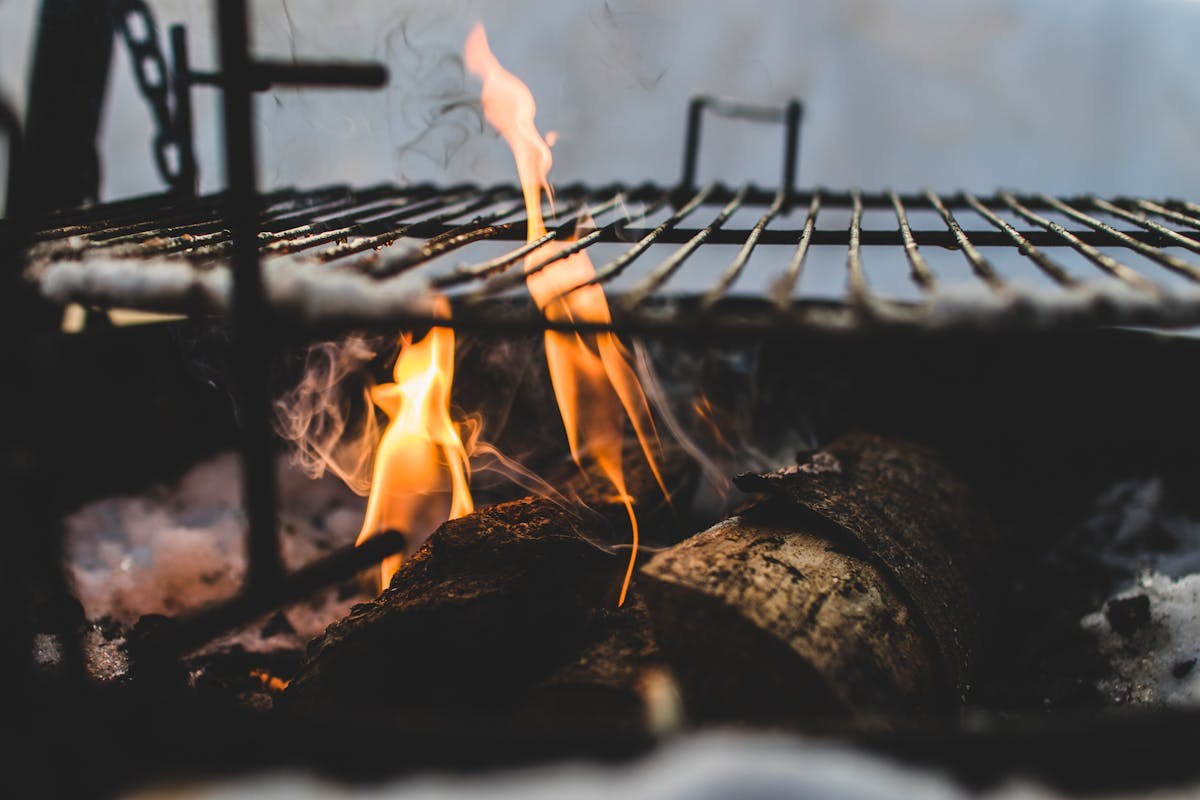
Tips for Getting the Best Smoke Flavor on Brisket
No matter which wood you choose, these tips will help you get the cleanest, best-tasting smoke:
1. Always use seasoned (dried) wood. Green wood — freshly cut wood that hasn’t dried out — produces excess creosote and bitter-tasting smoke. Your wood should be dried for at least 6–12 months. When you knock two pieces together, they should sound hollow. A good wireless meat thermometer helps you monitor both your brisket’s internal temp and your smoker temp throughout the cook.
2. Look for thin blue smoke, not thick white smoke. Thin, almost invisible blue smoke means your wood is burning cleanly and producing the best flavor compounds. Thick white billowing smoke means incomplete combustion — which creates creosote that coats your meat with a bitter, acrid taste.
3. Don’t over-smoke. More smoke doesn’t always mean more flavor. Brisket absorbs the most smoke in the first 4–6 hours of cooking. After that, the bark has largely formed and smoke penetration slows significantly. This is why many pitmasters wrap their brisket partway through the cook.
4. Remove the bark from your wood. Bark can produce bitter compounds when it burns. If you’re using logs or chunks, stripping off the bark before smoking can lead to a cleaner flavor.
5. Use consistent-sized pieces. Whether you’re using chunks or logs, try to keep them a similar size. This ensures even burning and consistent smoke throughout your cook — no sudden spikes of heavy smoke from an oversized piece.
Woods to Avoid for Brisket
Not all wood is safe for smoking. Never use these for cooking:
Softwoods (pine, cedar, spruce, fir) — These contain high levels of resin and sap that produce toxic, foul-tasting smoke. They can also create dangerous levels of creosote buildup in your smoker.
Treated or painted wood — Lumber, plywood, pallets, and any wood with stains, paint, or chemical treatments release toxic chemicals when burned. Never use construction or scrap wood.
Moldy or rotten wood — Besides tasting terrible, moldy wood can release harmful spores. If your wood shows signs of mold or rot, don’t use it.
FAQ: Smoking Wood for Brisket
What is the #1 best wood for smoking brisket?
Oak — specifically post oak — is widely considered the best overall wood for brisket. It’s the foundation of Central Texas BBQ and delivers a clean, medium-strong smoke that complements beef perfectly without overpowering it. If you’re a beginner, start with oak.
Can I mix different smoking woods together?
Absolutely — and many pitmasters recommend it. Blending woods lets you create custom flavor profiles. A common approach is to use a strong base wood (oak or hickory) and add smaller amounts of a milder wood (cherry, pecan, or apple) for complexity.
Is mesquite too strong for brisket?
Mesquite can be too intense if used as the sole wood for a long brisket smoke. It burns hot and fast and can produce bitter flavors over 10+ hours. However, it works well when used sparingly — either blended with oak or used only during the first few hours of the cook.
What wood do Texas BBQ restaurants use?
Most famous Central Texas BBQ joints — including the legendary spots in Lockhart and Austin — use post oak as their primary wood. East Texas leans toward hickory, while South and West Texas favor mesquite. Many restaurants blend two or three woods together.
What’s the best wood for a pellet grill brisket?
For pellet grills, choose stronger-flavored pellets like hickory, oak, or a competition blend (which typically combines oak, hickory, and cherry). Pellet grills burn very cleanly, so milder woods like apple may not impart enough smoke flavor. Consider adding a smoke tube for extra smokiness.
Our Recommendation: Start With Oak, Then Experiment
If you’re new to smoking brisket, start with oak. It’s forgiving, consistent, and produces excellent results every time. Once you’ve nailed your technique with oak, start experimenting with blends — add some cherry for color, pecan for sweetness, or hickory for boldness.
The beauty of barbecue is that there’s no single “right” answer. Your perfect brisket wood is the one that tastes best to you. Keep a smoking log, note what wood you used for each cook, and over time you’ll dial in your ideal combination.
Ready to put your wood knowledge to the test? Check out our complete guide on how to smoke ribs or find the perfect grill in our Pit Boss vs Traeger comparison, or browse our top picks for the best pellet grills under $500.